How Green Buildings Are Changing the Way People Live in Urban India
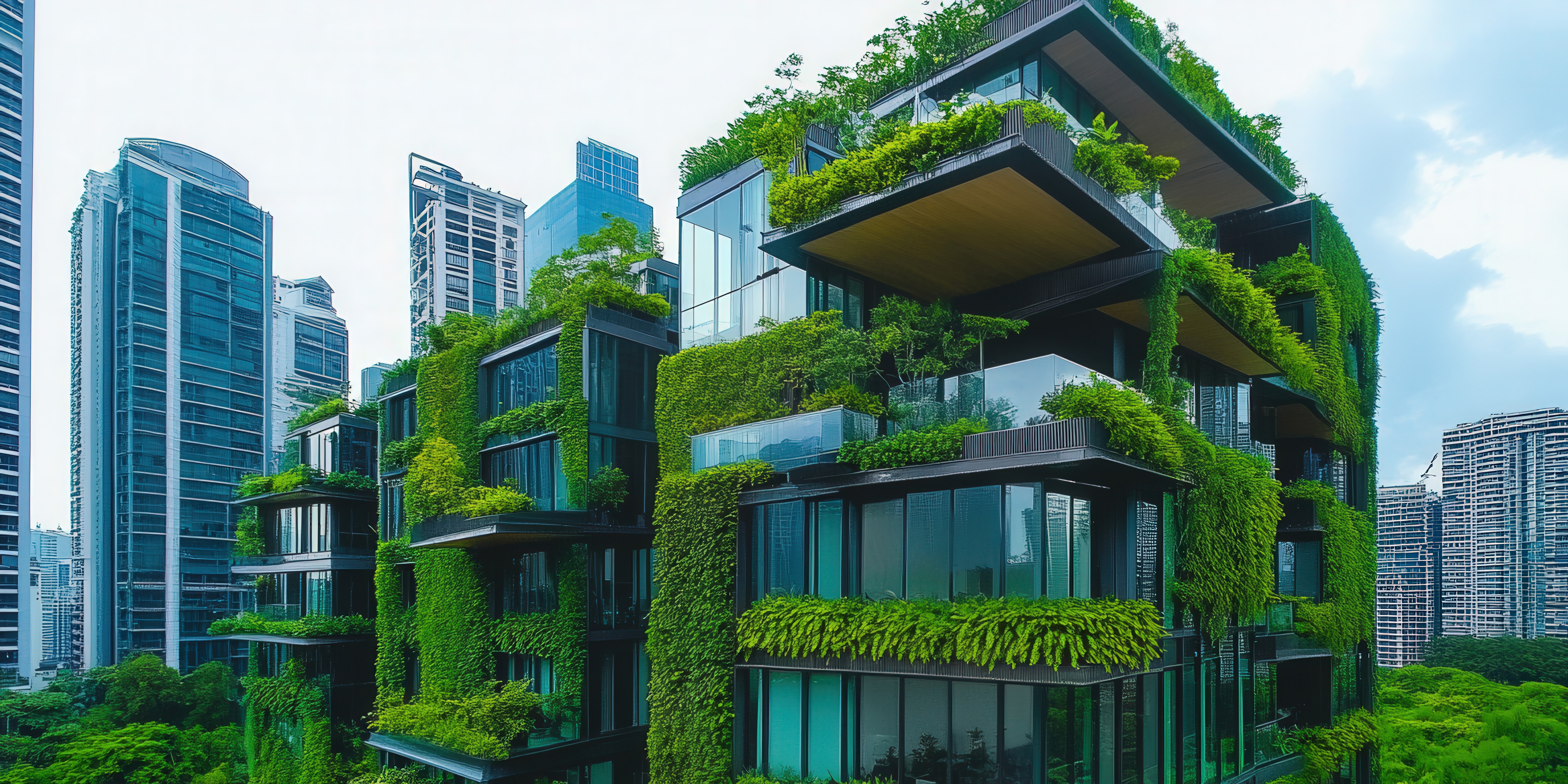
Green buildings are transforming urban living in India by offering energy-efficient, environmentally friendly homes that reduce utility costs, improve indoor air quality, and promote healthier lifestyles. With sustainable design, water conservation, and smart technologies, these future-ready spaces are reshaping the way people live while supporting long-term environmental and economic sustainability.
Article By Mr. Keshav Agarwal Associate Director, Srijan Realty
How Green Buildings Are Changing the Way People Live in Urban India
The skyline of urban India is changing fast. For years, the migration of millions to metropolitan cities set the course for a predictable real estate narrative – a singular obsession with optimisation, square footage and connectivity. Grey structures grew in urban areas to accommodate the burgeoning middle class, but the rate of construction came at an unseen cost to natural resources. A quiet but significant transformation is taking place today in these concrete jungles. Urban residents are beginning to realise that the traditional design of their homes directly contributes to escalating monthly expenses and unpredictable resource scarcity. The conversation is no longer just about buying an apartment; it is about how that apartment interacts with the environment. This realisation is quietly paving the way for an architectural evolution that promises to alter the daily routine of the Indian homeowner.
Deciphering the Blueprint of Modern Spaces
To understand this shift, one must look closely at the framework governing contemporary construction. Data from the Indian Green Building Council reveals that India’s green building footprint has scaled past 15 billion square feet, covering thousands of certified, fully operational projects. What exactly does this mean for someone living inside these spaces? The answer lies in engineering choices that remain hidden from the naked eye. Conventional buildings act as passive consumers of energy and water. But modern sustainable structures are built with climate-responsive designs. By studying solar paths and wind patterns, architects are optimising building orientations to maximise natural light while minimising heat ingress. This simple calibration reduces dependency on artificial cooling systems from the moment the structure is completed. Yet, the real magic of these structures is not just how they repel heat but also how they manage what happens within their walls.
The Microeconomics of Sustainable Living
While the environmental impacts of sustainable construction are frequently discussed, the pragmatic, financial incentives for the individual resident are far more compelling. It has been highlighted that a definitive surge in premium real estate acquisitions is driven largely by consumers prioritising long-term wellness and operational efficiency. The savings a person gets from living in a green-certified building are tangible. Double-glazed windows, reflective roofing materials and energy-efficient lighting systems all reduce energy consumption. Advanced water management systems such as low-flow fixtures and integrated rainwater harvesting units reduce the need to rely on municipal water tankers. The financial argument is clear: the extra cost incurred for an ecologically sound home is systematically paid back in terms of significantly reduced utility bills. But the real transformation runs much deeper than financial metrics.
Engineering Health and Cognitive Well-being
While electricity meters and water bills are tangible metrics, there is a critical factor that is redefining urban lifestyle choices: indoor environmental quality. Urban Indians spend most of their lives indoors, often trapped in poorly ventilated apartments where air pollutants accumulate silently. To solve this problem, sustainable residential complexes use demand-control ventilation systems and non-toxic, low-volatile organic compound paints and materials. This greatly improves the indoor air quality, leading to fewer respiratory problems and enhanced cognitive functioning. Native landscaping, large green covers, and urban micro-forests in residential perimeters also contribute to mitigating the urban heat island effect. Today, residents are not only buying an address but rather a healthier ecosystem for their families.
The Future Inhabitant of the Indian Metropolis
As urban India marches toward its 2030 development goals, real estate is evolving from a mere asset class into an active contributor to public health and resource conservation. The integration of artificial intelligence and automated monitoring systems in green housing ensures that energy grids and waste-to-landfill mechanisms operate with flawless precision. The new ultimate luxury in contemporary India isn’t mere cosmetic ornamentation but the security of uninterrupted resources, clean air and a reduced carbon footprint. By combining individual lifestyle choices with environmental stewardship, the inhabitants of these future-ready spaces are part of a larger, quiet revolution. The future of urban living is here, grounded in spaces that respect the planet while enhancing the human experience.