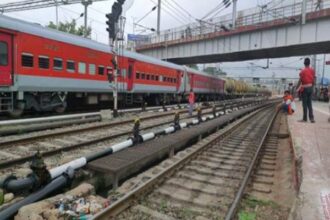

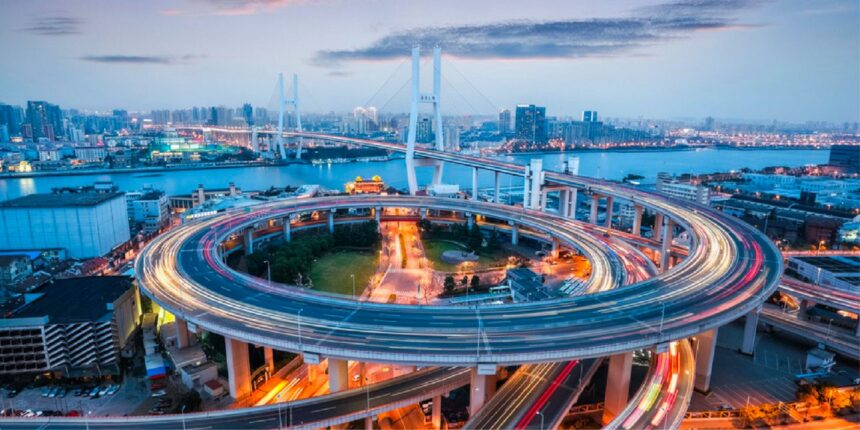
India stands at a pivotal point in its development trajectory. With a population of over 1.4 billion, burgeoning urbanization, and a rapidly expanding economy, the country is investing in a backbone of transformative infrastructure — from world-class expressways and high-speed rail corridors to smart cities and renewable energy hubs. These mega projects are not only an expression of engineering ambition but are also strategic levers shaping India’s future competitiveness, social equity, environmental sustainability, and global reach.
In this article, we explore the most significant mega projects underway and planned across India, evaluate their strategic importance, examine their socio-economic impact, and consider the challenges and opportunities they represent.
- National Highways and Expressways: Redesigning Connectivity
Bharatmala Pariyojana
The Bharatmala Pariyojana is one of India’s most ambitious road infrastructure programmes, aiming to dramatically expand and upgrade the national highway network to bolster freight movement, reduce logistics costs, and connect remote regions with economic centres. Under Phase-I, the project has already overseen the development of thousands of kilometres of highways, backed by massive capital investment. Its interlinking with economic corridors and logistics parks makes it a bedrock of national connectivity.
Delhi–Mumbai Expressway
Perhaps the most celebrated of India’s expressway projects, the Delhi–Mumbai Expressway spans approximately 1,386 km and connects the political capital of Delhi with the financial powerhouse of Mumbai. Designed as an 8-lane (expandable) arterial route, it promises to slash journey times and dramatically enhance freight and passenger mobility across the heart of the country. Its completion — slated around 2025 — is expected to catalyse economic activity along its corridor.
Surat–Chennai Expressway & Varanasi–Kolkata Expressway
Beyond east-west connectivity, projects such as the proposed Surat–Chennai Expressway — a 1,271 km corridor slated to link western and southern economic hubs — will enhance inter-regional access and shorten travel distances. Meanwhile, the Varanasi–Kolkata Expressway will integrate eastern Uttar Pradesh, Bihar, Jharkhand and West Bengal, opening up new avenues for trade and mobility.
2. National Rail Transformation: Freight, Speed and Inclusion
Dedicated Freight Corridors (DFCs)
The Western Dedicated Freight Corridor (WDFC) and the Eastern counterpart are redefining rail freight movement in India. The WDFC stretches over 1,506 km from Dadri (Uttar Pradesh) to JNPT (Maharashtra), facilitating high-capacity freight transport separated from passenger traffic. By easing congestion, reducing transit times and lowering logistics costs, DFCs are a cornerstone of India’s logistics revolution.
These freight corridors are not merely about rail lines; they unlock the potential for industrial clusters, intermodal logistics parks and multimodal connectivity, enabling goods to move faster and more reliably across continents.
High-Speed Rail and Future Mobility
Another iconic venture is the Mumbai–Ahmedabad High-Speed Rail Corridor — India’s first bullet train project — which envisages reducing a demanding 9-hour journey to just over two hours, operating at over 320 km/h. High-speed rail stands to transform intercity connectivity, commuter patterns, and regional economies by integrating remote regions with metropolitan markets.
Similarly, proposed high-speed routes between Bengaluru–Hyderabad, Delhi–Ahmedabad and Varanasi–Howrah are set to usher in a new era of mobility, fuelled by international collaborations and cutting-edge technologies.
Regional Connectivity and Strategic Rail Links
India’s rail expansion isn’t limited to freight and high speed. Projects like the North-East rail connectivity programme, Himalayan mountain railways, and international grade bridges (e.g., Anji Rail Bridge and Pamban Bridge) showcase India’s engineering prowess and its resolve to knit together far-flung regions with mainstream economic currents.
3. Aviation Infrastructure: Airports as Growth Engines
Navi Mumbai International Airport
A major milestone in India’s aviation journey is the Navi Mumbai International Airport, developed on reclaimed land with two parallel runways designed to handle the world’s largest aircraft. With projected annual passenger traffic exceeding 90 million, it will become one of Asia’s busiest aeronautical hubs, stimulating commerce, tourism and regional business ecosystems.
Noida International Airport & Bhogapuram Airport
Complementing Mumbai’s aviation infrastructure are other greenfield hubs like Noida International Airport and Bhogapuram International Airport (Visakhapatnam). These airports are strategically positioned to expand capacity, enhance regional connectivity, and ease pressure on existing metros while encouraging foreign investment flows.
4. Urban Transformation: Smart Cities and Mass Transit
Smart Cities Mission
Urbanization is at the heart of India’s development, and the Smart Cities Mission is an ambitious initiative that integrates technology, sustainability and citizen-centric services in over 100 urban centres. From AI traffic systems and IoT-enabled waste management to advanced command centres, smart cities aim to elevate urban quality of life while optimizing resource efficiency.
Metro and Rapid Transit Networks
Cities across India — Delhi, Mumbai, Bangalore, Chennai, Patna, Lucknow, Surat and more — are witnessing massive expansion of metro and rapid transit systems. These networks not only decongest urban streets but also reduce pollution, drive equitable mobility and spur economic corridors around transit nodes.
5. Energy and Sustainability Frontiers
Renewable Energy Megaprojects
India’s commitment to clean energy targets is reflected in projects like the Bhadla Solar Park — one of the largest solar installations globally with over 2,200+ MW capacity — which helps reduce fossil fuel dependency and carbon emissions.
The nation is also positioning itself as a renewable energy powerhouse with integrated renewable zones, wind corridors and green hydrogen ecosystems aimed at reaching ambitious decarbonization goals.
Strategic Industrial and Energy Hubs
Recent developments such as the planned 10 GW ingot and wafer manufacturing facility in Nellore (Andhra Pradesh) underscore India’s drive toward domestic manufacturing in solar and semiconductor components. Such investments tie infrastructure development directly to manufacturing competitiveness and employment generation.
6. Regional Mega Projects with Strategic Importance
Great Nicobar Island Development Project
Envisioned as a multipurpose strategic gateway, the Great Nicobar Island Development Project combines deep-water ports, an international airport, energy facilities and tourism infrastructure. With a projected cost of over ₹75,000 crore, it highlights how infrastructure can simultaneously address defense, commerce and regional development.
Patna Metro and Bihar’s Mega Infrastructure Push
States are also lifting their infrastructure outlook. Bihar, for instance, is executing over 170 projects — from metro systems to expressways and industrial corridors — with a total investment exceeding ₹6.58 lakh crore. These initiatives, under strategic schemes like PRAGATI, are aimed at accelerating construction timelines and improving project delivery.
Nagpur’s Global Capability Hub
Urban development initiatives such as ‘New Nagpur’ — a planned business district with walk-to-work infrastructure supported by ring roads and expressways — reveal how regional cities are evolving into global capability centres attracting investment, talent and innovation.
Similarly, strategic bridges like the Rajmahal–Manikchak Bridge over the Ganges promise to enhance inter-state connectivity and economic exchange, particularly linking Jharkhand with North-East India.
7. Socio-Economic Impacts of Mega Infrastructure Development
Employment and Skill Creation
Mega infrastructure projects are labour-intensive in both construction and operations. They create direct employment in engineering, project management and construction, and indirect jobs in supply chains, logistics, hospitality and services. Urban revitalization further boosts entrepreneurship and local commerce.
Regional Equity and Inclusive Growth
By extending connectivity to previously inaccessible regions, infrastructure reduces regional imbalances and brings remote communities into the economic mainstream. Expressways, rail corridors and airports foster inclusive growth by enabling easier access to healthcare, education and markets.
Raising India’s Global Competitiveness
World-class infrastructure is a cornerstone of modern economies. Reduced logistics costs, faster delivery of goods, predictable travel times and enhanced digital connectivity make India more attractive for foreign direct investment and participation in global value chains.
8. Challenges on the Path Ahead
Land Acquisition and Regulatory Hurdles
Infrastructure projects often contend with complex land acquisition processes and regulatory approvals, especially when they intersect sensitive ecological zones or tribal lands. Streamlining policies and ensuring fair resettlement are critical to maintaining momentum.
Environmental and Social Sustainability
Balancing rapid construction with environmental stewardship and community rights remains a delicate challenge. Projects must deploy rigorous impact assessments and adopt green engineering practices to minimize ecological footprints.
Financing and PPP Models
Despite robust government funding, private capital participation remains essential. Public–Private Partnerships (PPP) require clear risk allocations, transparent governance structures, and incentives that attract long-term institutional investors.
9. The Future: Vision 2047 and Beyond
Looking toward India’s centenary of independence in 2047, infrastructure will be the fulcrum of economic and social transformation. Digital highways, renewable energy megacities, high-speed rail networks and globally competitive logistics systems will define India’s growth narrative. With a projected surge in smart urban ecosystems and seamless regional connectivity, the nation is crafting a resilient and inclusive infrastructure platform.
The sheer scale of present and planned mega projects — spanning land, air, rail, energy and digital connectivity — reveals a future that is more integrated, efficient, and sustainable.
Road Ahead
Infrastructure has always been the silent force shaping civilizations, economies, and societies. In India’s case, infrastructure today is no longer just a supporting pillar—it is the very foundation upon which the country’s future aspirations rest. Roads, railways, ports, airports, power grids, digital networks, water systems, and urban infrastructure are being viewed not merely as physical assets but as strategic tools to unlock economic growth, social inclusion, industrial competitiveness, and global influence.
India’s push for infrastructure development in the past decade represents one of the most ambitious nation-building exercises undertaken anywhere in the world. With rapid urbanization, rising incomes, expanding manufacturing ambitions, and a demographic dividend that demands jobs and mobility, infrastructure has moved from being a bottleneck to becoming a national priority.
This push is visible not only in the scale of investments but also in the shift in mindset—from incremental upgrades to transformative, future-ready infrastructure that integrates technology, sustainability, and efficiency.
The Strategic Importance of Infrastructure in India’s Development Journey
India’s economic growth story has often been constrained by inadequate infrastructure. High logistics costs, congested cities, fragmented transport networks, unreliable power supply, and uneven regional development have historically limited productivity and competitiveness.
Recognizing this, policymakers have placed infrastructure at the heart of national development strategies. The rationale is clear:
- Economic Multiplier Effect: Infrastructure investment stimulates demand across steel, cement, machinery, construction equipment, and services.
- Employment Generation: Large-scale projects create millions of direct and indirect jobs.
- Improved Productivity: Faster transport, reliable energy, and digital connectivity reduce transaction costs.
- Inclusive Growth: Infrastructure connects remote and underdeveloped regions to mainstream economic activity.
- Global Competitiveness: World-class infrastructure is essential for attracting foreign investment and integrating with global value chains.
In essence, infrastructure is no longer a cost centre—it is an investment in long-term national resilience.
Policy Framework Driving Infrastructure Expansion
National Infrastructure Pipeline (NIP)
The National Infrastructure Pipeline (NIP) marked a turning point in India’s infrastructure planning. Designed as a long-term roadmap, it outlines investments across sectors such as transport, energy, urban infrastructure, irrigation, and digital connectivity. The NIP reflects a structured approach—prioritizing projects, ensuring funding visibility, and improving coordination between central and state governments.
PM Gati Shakti: A New Planning Paradigm
PM Gati Shakti represents a shift from silo-based infrastructure development to an integrated, multi-modal approach. By bringing together ministries, departments, and states on a digital platform, it ensures that roads, railways, ports, power lines, and telecom networks are planned holistically.
This approach minimizes duplication, optimizes land use, and accelerates project execution—addressing one of India’s biggest infrastructure challenges: delays.
Make in India and Infrastructure Synergy
Infrastructure development and manufacturing growth are deeply interconnected. Initiatives like Make in India and Production-Linked Incentive (PLI) schemes rely heavily on reliable logistics, power, and industrial infrastructure. Industrial corridors, plug-and-play parks, and logistics hubs are being developed to support India’s manufacturing ambitions.
Roads and Highways: Connecting Aspirations to Opportunities
India’s road infrastructure has undergone a dramatic transformation. Highways are no longer just transport routes—they are economic corridors that stimulate development along their length.
Expressways and Economic Corridors
Projects such as national expressways and access-controlled highways are redefining long-distance travel and freight movement. These corridors reduce travel time, improve safety, and lower logistics costs—making Indian goods more competitive.
The development of economic corridors along highways is leading to the emergence of new industrial clusters, logistics parks, warehousing hubs, and townships.
Rural Roads and Last-Mile Connectivity
While mega highways attract attention, rural road connectivity has been equally transformative. Improved village roads have enabled farmers to access markets, children to reach schools, and rural populations to connect with healthcare and employment opportunities.
This balanced focus on both national and rural connectivity underscores the inclusive nature of India’s infrastructure push.
Railways: Modernizing the Lifeline of the Nation
Indian Railways, one of the world’s largest rail networks, is undergoing its most significant modernization since independence.
Dedicated Freight Corridors
The introduction of dedicated freight corridors has fundamentally altered freight transportation in India. By separating freight and passenger traffic, these corridors improve speed, reliability, and capacity—reducing logistics costs for industries.
Station Redevelopment and Passenger Experience
Railway stations are being redeveloped as modern transport hubs with improved amenities, retail spaces, and multimodal connectivity. The goal is to enhance passenger experience while unlocking commercial value from railway land assets.
Electrification and Sustainability
Rapid electrification of rail lines has reduced dependence on fossil fuels, lowered operating costs, and cut carbon emissions. Railways are emerging as a cornerstone of India’s sustainable mobility strategy.
Urban Infrastructure: Building Cities for the Future
India’s urban population is expected to exceed 600 million in the coming decades. This demographic shift has made urban infrastructure development both urgent and complex.
Smart Cities Mission
The Smart Cities Mission aims to improve urban living through technology-driven governance, efficient service delivery, and sustainable planning. From intelligent traffic systems to digital citizen services, smart cities are becoming testbeds for innovation.
Metro Rail and Urban Transit
Metro rail systems are expanding rapidly across Indian cities. These projects are reducing congestion, cutting pollution, and improving urban mobility. More importantly, they are reshaping urban development patterns by creating transit-oriented growth.
Water, Sanitation, and Housing
Urban infrastructure is not limited to transport. Investments in water supply, sewage treatment, solid waste management, and affordable housing are improving public health and quality of life.
Ports, Shipping, and Maritime Infrastructure
As a nation with a long coastline, India’s economic potential is closely tied to its maritime infrastructure.
Port Modernization and Capacity Expansion
Ports are being modernized to handle larger vessels, faster turnaround times, and increased cargo volumes. Automation, digital tracking, and improved hinterland connectivity are enhancing efficiency.
Sagarmala Vision
The Sagarmala initiative focuses on port-led development, integrating ports with industrial clusters, coastal economic zones, and logistics infrastructure. This strategy aims to reduce logistics costs and boost exports.
Aviation Infrastructure: Expanding the Skyways
India is one of the fastest-growing aviation markets globally. Infrastructure development in this sector reflects rising passenger demand and regional connectivity goals.
New Airports and Airport Expansion
Greenfield and brownfield airport projects are expanding capacity across metros and regional centres. These airports are being designed as integrated hubs combining passenger, cargo, and commercial facilities.
Regional Connectivity
Improved regional air connectivity is linking smaller cities to economic hubs, promoting tourism, business travel, and regional development.
Energy Infrastructure: Powering Growth and Sustainability
Energy infrastructure is the backbone of industrial and economic activity. India’s approach balances energy security with sustainability.
Renewable Energy Expansion
Large-scale solar and wind projects are transforming India’s energy mix. Renewable energy parks, grid upgrades, and storage solutions are enabling the transition toward cleaner power.
Transmission and Distribution Modernization
Investments in transmission lines, substations, and smart grids are improving reliability and reducing losses—critical for both industry and households.
Digital Infrastructure: The Invisible Backbone
In today’s economy, digital infrastructure is as vital as physical infrastructure.
Broadband and Connectivity
Expansion of broadband networks and mobile connectivity has enabled digital services, e-commerce, fintech, telemedicine, and online education to flourish—even in remote areas.
Data Centers and Cloud Infrastructure
India is emerging as a data centre hub, supported by investments in power, cooling, and connectivity infrastructure. This is crucial for supporting digital transformation across industries.
Financing Infrastructure: Public, Private, and Innovative Models
Funding such massive infrastructure expansion requires diversified financing mechanisms.
Public Investment
Government spending remains the backbone of infrastructure funding, particularly for strategic and social projects.
Public-Private Partnerships (PPP)
PPP models are being refined to attract private investment while ensuring risk sharing and long-term viability.
Innovative Instruments
Infrastructure investment trusts (InvITs), asset monetization, and green bonds are unlocking new sources of capital and improving financial sustainability.
Challenges in India’s Infrastructure Push
Despite remarkable progress, challenges persist:
- Land acquisition delays
- Environmental clearances
- Project execution bottlenecks
- Financing risks
- Skill shortages
Addressing these challenges requires institutional reforms, technology adoption, transparent governance, and capacity building across stakeholders.
The Socio-Economic Impact of Infrastructure Development
Infrastructure development has far-reaching impacts beyond GDP growth:
- Job creation across skill levels
- Regional balance and rural upliftment
- Improved access to education and healthcare
- Enhanced disaster resilience
- Greater social mobility
In many ways, infrastructure shapes the everyday lives of citizens more directly than any other policy intervention.
Looking Ahead: Infrastructure as a Catalyst for India@2047
As India looks toward its centenary year of independence, infrastructure will be the defining factor in achieving the vision of a developed, inclusive, and sustainable nation.
Future infrastructure development will likely focus on:
- Climate-resilient design
- Green construction technologies
- Digital integration and automation
- Multimodal connectivity
- Human-centric urban planning
India’s infrastructure push is not merely about building assets—it is about building confidence, capability, and competitiveness.
Conclusion
India’s mega infrastructure projects are more than monumental construction feats; they represent a cohesive national strategy to unlock economic potential, catalyse regional development, harness technology and empower citizens. From expressways that shrink distances to high-speed rails that redefine mobility; from airports that open global gateways to renewable hubs that power sustainability — these projects together form the blueprint of India’s future.
While challenges persist, the nationwide momentum, policy focus and public-private synergies paint a compelling picture of an India that is rising — build by build, corridor by corridor, connection by connection.
India’s push for infrastructure development is one of the most consequential transformations of the modern era. It reflects ambition backed by action, vision supported by policy, and scale driven by necessity. While challenges remain, the direction is unmistakable.
By investing in roads that connect, railways that move efficiently, cities that function intelligently, energy systems that sustain growth, and digital networks that empower citizens, India is constructing not just physical structures—but the very framework of its future.
Infrastructure, in today’s India, is no longer about concrete and steel alone. It is about opportunity, inclusion, resilience, and progress. And in that sense, India is not just building infrastructure—it is building destiny.